VRChat
Context
Background
VRChat is one of the largest social VR platforms in the world, where users create avatars, build worlds, and spend time together in shared spaces. It runs on VR headsets, desktop, and mobile, reaching far beyond a typical VR audience.
The Problem
The site is currently optimized for people who already knew what VRChat was. For a first-time visitor, there is little guidance on what the platform offers or why it matters. Additionally, an inconsistent design system leaves the experience feeling dated compared to the creativity the platform represents.
Initial HMW Statement
How might we redesign a modernized version of VRChat’s website aimed at improving onboarding and conversion rates for new users?
Initial Analysis
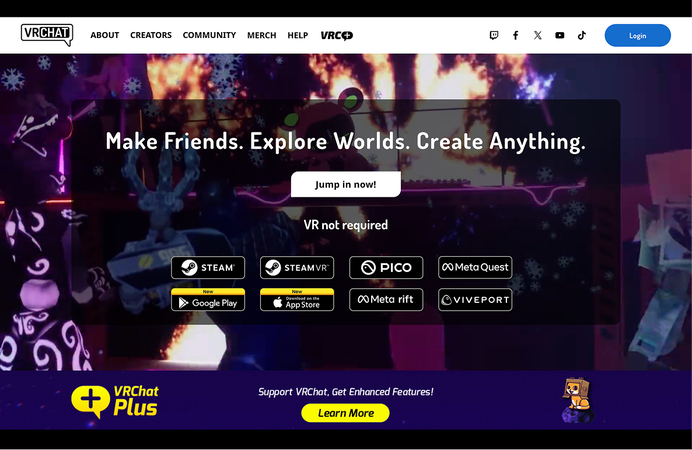
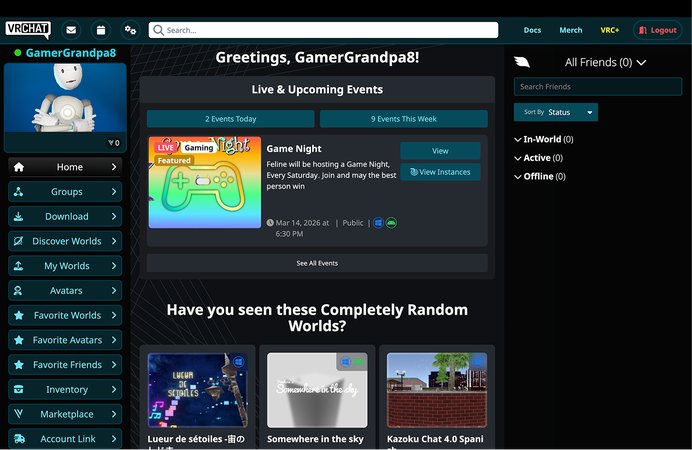
Our team conducted a thorough analysis of the current VRChat marketing page and dashboard, identifying key areas for improvement. We pinpointed key issues in the design system and user experience from the perspectives of both new and familiar players.
-
1
Outdated visual language — dated typography and low-quality assets do not reflect the creativity within VRChat
-
2
Lack of cohesive design system — visual identity shifts between marketing site and user dashboard
-
3
Cluttered navigation — busy nav bar, lack of filtering options, and a confusing world-launching process
-
4
Unclear purpose — unclear whether the website is meant for onboarding new users, showcasing the VR experience, or supporting existing players
UX Research
Method #1: Competitor SWOT Analysis
We looked at platforms VRChat's users already live in. These comparisons weren't only about features, but also about how each one gets a new user from curious to committed. From these comparisons, we gathered insights that can be applied to VRChat.

- Threaded discussion that make niche communities easy to find
- Searchable, categorized communities
- Asynchronous help — tips and troubleshooting before anyone downloads

- Servers, channels, and roles make joining accessible
- Lower-pressure ways to socialize, compared to VRChat’s voice-chat

- Clean discovery paired with deep avatar customization
- Self-expression and social connection drive retention
- Feature active communities and events on the landing page, not just after login
Method #2: User Survey
Our research focused on how both new and existing users perceived VRChat, identifying key user motivations and barriers in onboarding and navigation.
900+ Responses
Participants Grouped By New vs. Familiar Users
- Perceived VR Chat as a hub of diverse worlds, experiences and people
- However, lack the accessible means and guidance to properly interact with the product and other users
- Largely enjoyed the current experience with other friends, preferring communication and self expression over most features
- However, still struggled to fully feel connected with the larger VR Chat community
Synthesis
Audience Segmentation
Based on our user survey, we identified patterns in user motivations and created our audience segmentation.
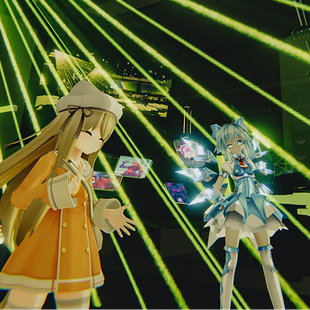
 Expressers
LGBTQ+
Curate spaces to cultivate a supportive inclusive community & environment.
Needs:
- Agency to quickly find spaces that are queer safe and accepting.
- Better filtering system for world exploration, communities, and events.
Tech Savvy
Players well versed in 3D modeling platforms who showcase their technical skills through their avatars models.
Needs:
- Easier ways to customize or switch characters.
- More streamlined and accessible avatar customization system on desktop / dashboard.
 Entertainers
Twitch Streamers
Host events in VRChat and increase VR Chat exposure and gameplay.
Needs:
- A more straight forward way to post events & make it easier for viewers to see and join in on these events.
- Clear events display on desktop dashboard.
- Clear CTA buttons to attend these events.
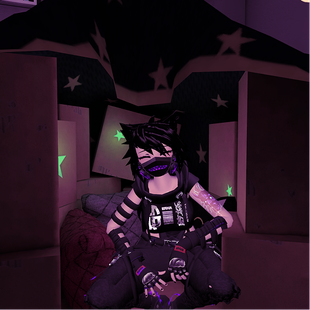
Role players
Seek experiences that further immerse themselves into their virtual world.
Needs:
- Features that allow players to understand what a specific world is about.
- Clear descriptors on world previews that are too cluttering to user interface.
 Explorers
Children
Young individuals who seek social interaction, interactive worlds and games.
Needs:
- Clear and simple guidance through controls and gameplay.
- Clear CTA buttons for intuitive user flows.
- Easy to read home page for dashboard, players know immediately once logging on what to do next.
Lurkers
Tend to keep to themselves, watch others interact, and simply enjoy switching between worlds to admire each experience.
Needs:
- Passive ways to feel included, even without active conversation
- Simple communication tabs for quick messages and sharing events.
UX Findings — What Can We Do?
Our competitive analysis and user survey converged on three insights, which guided our redesign process.
-
1
Onboarding Friction — New users are interested by VRChat but couldn't figure out how to start
-
2
Social Pressure — New users view voice-chat socializing as a steep entry point and want lower-pressure options
-
3
Community Discovery — Existing users are given limited ways to reach beyond their immediate circle
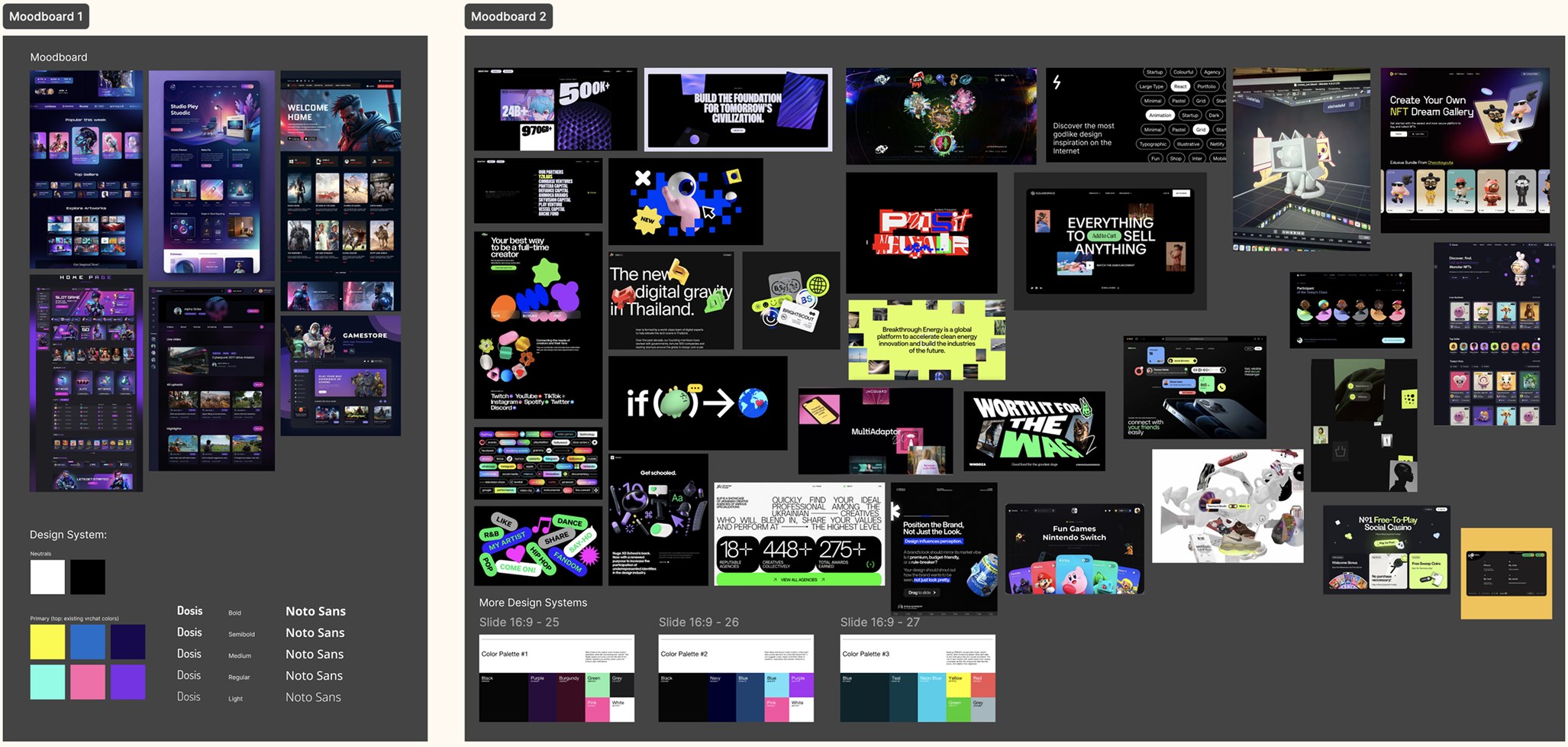
Ideation!
Design Solution
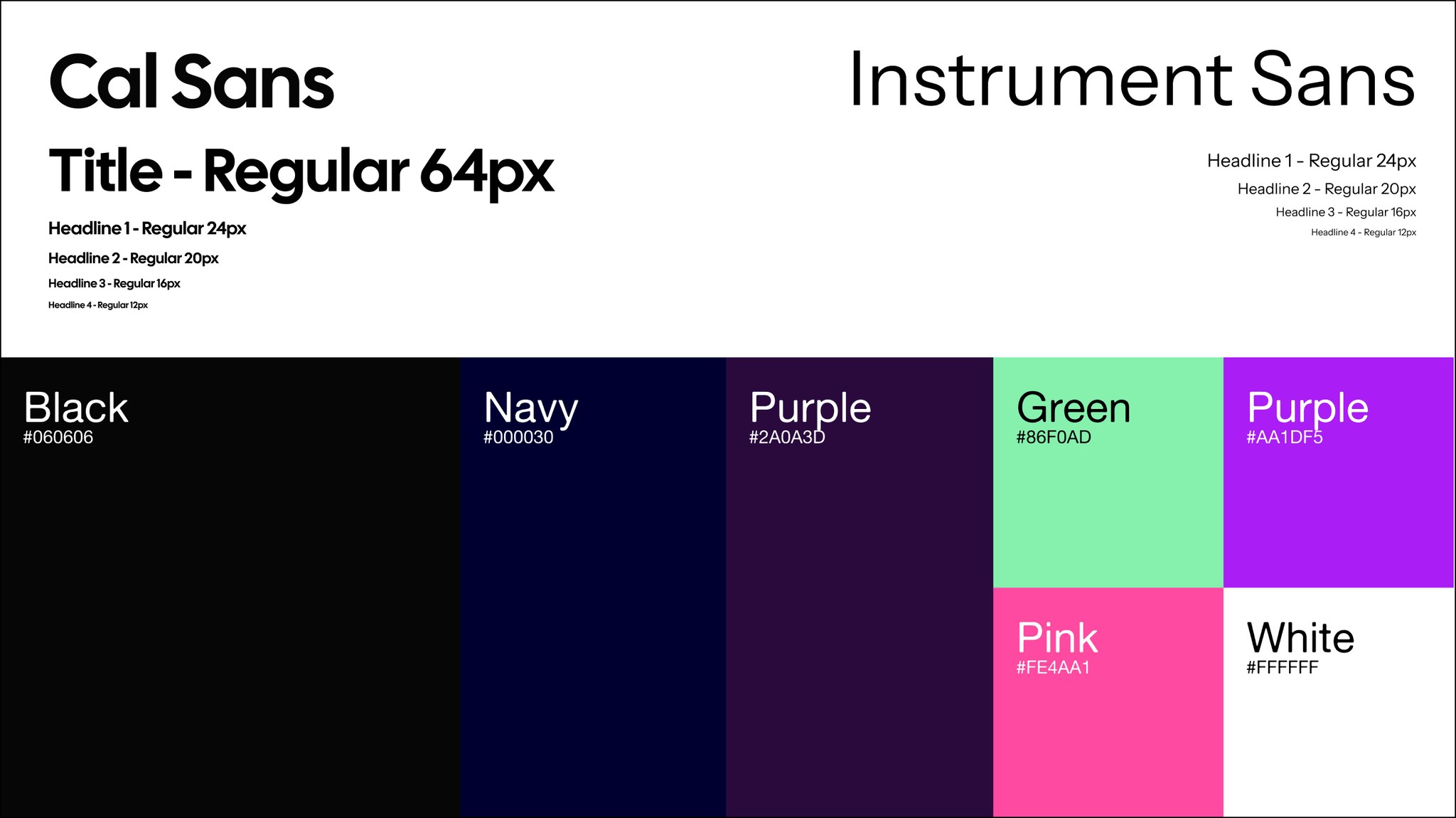
Design System
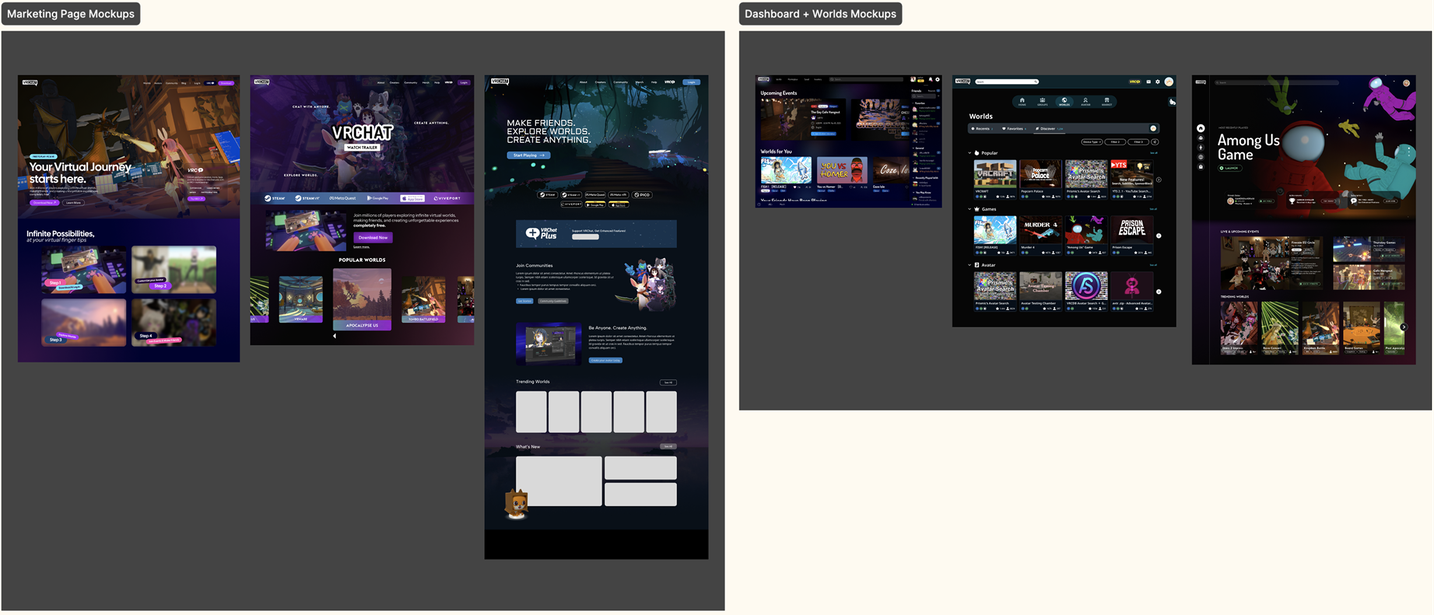
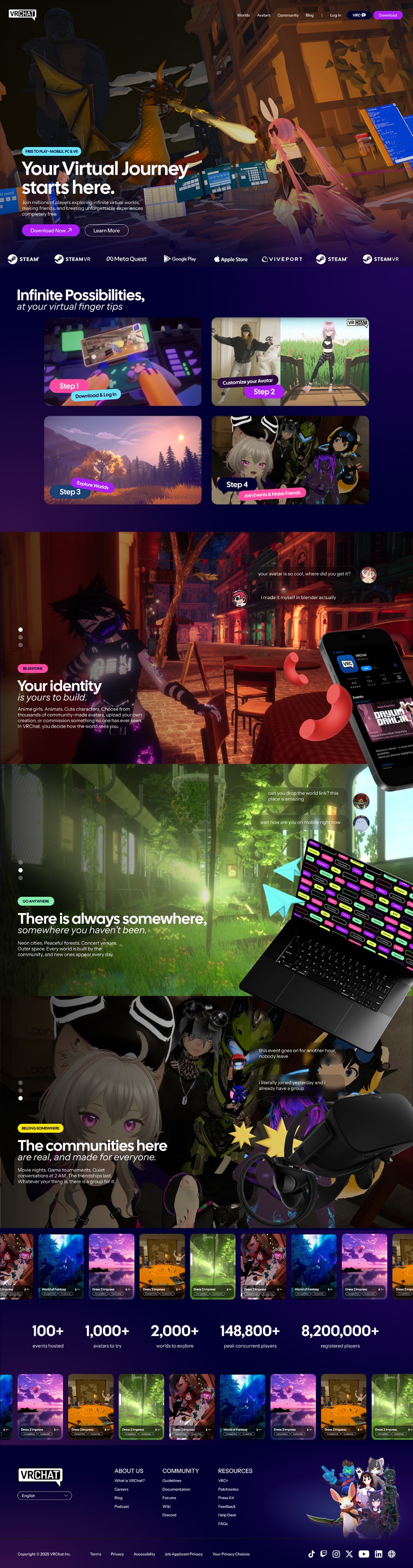
High-Fidelity Deliverables
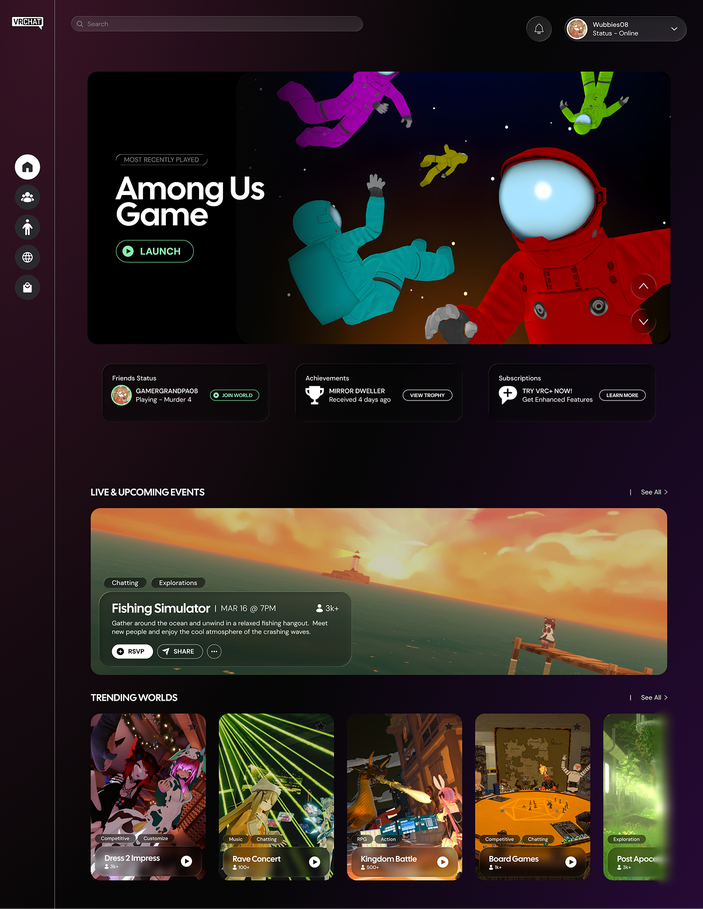
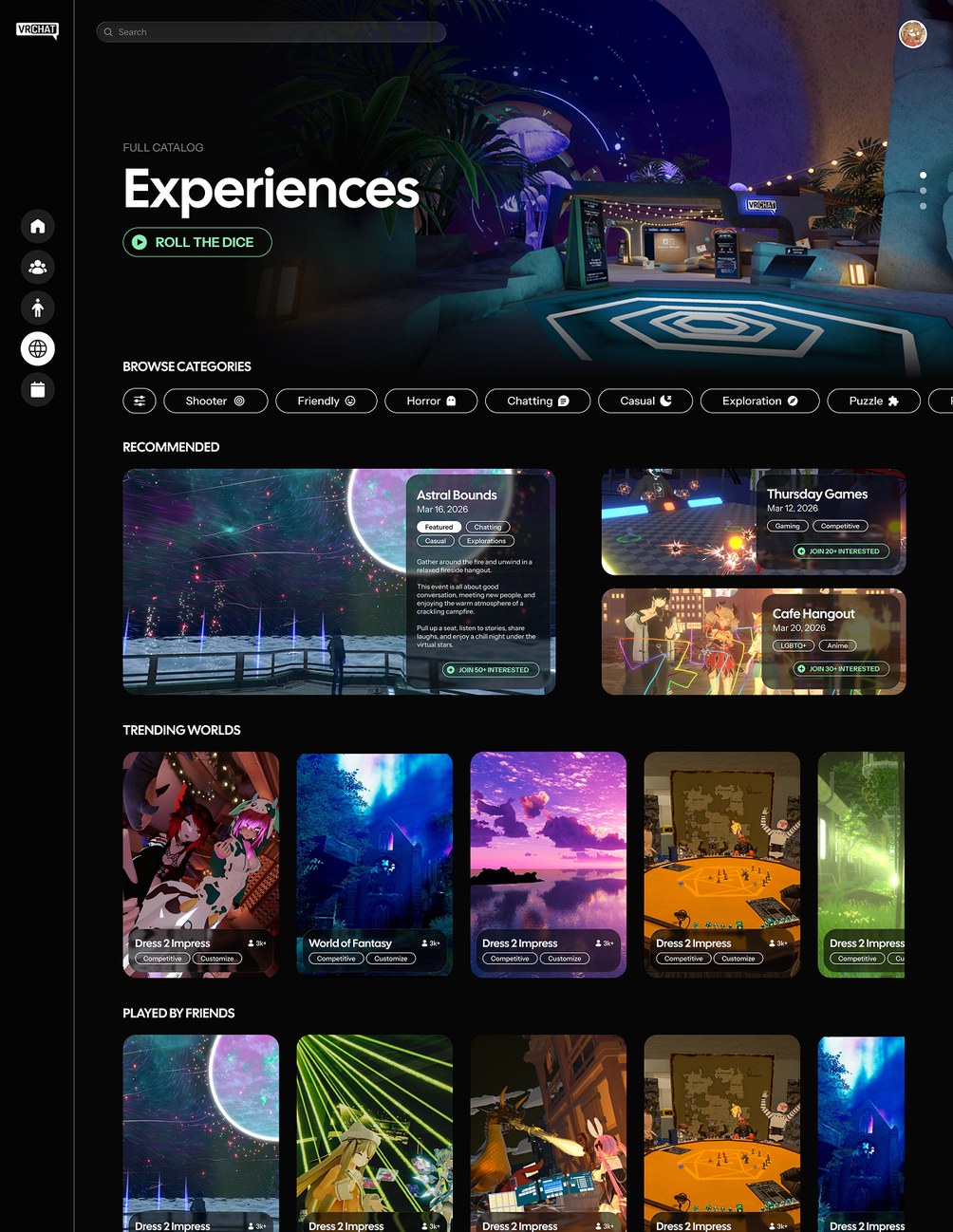
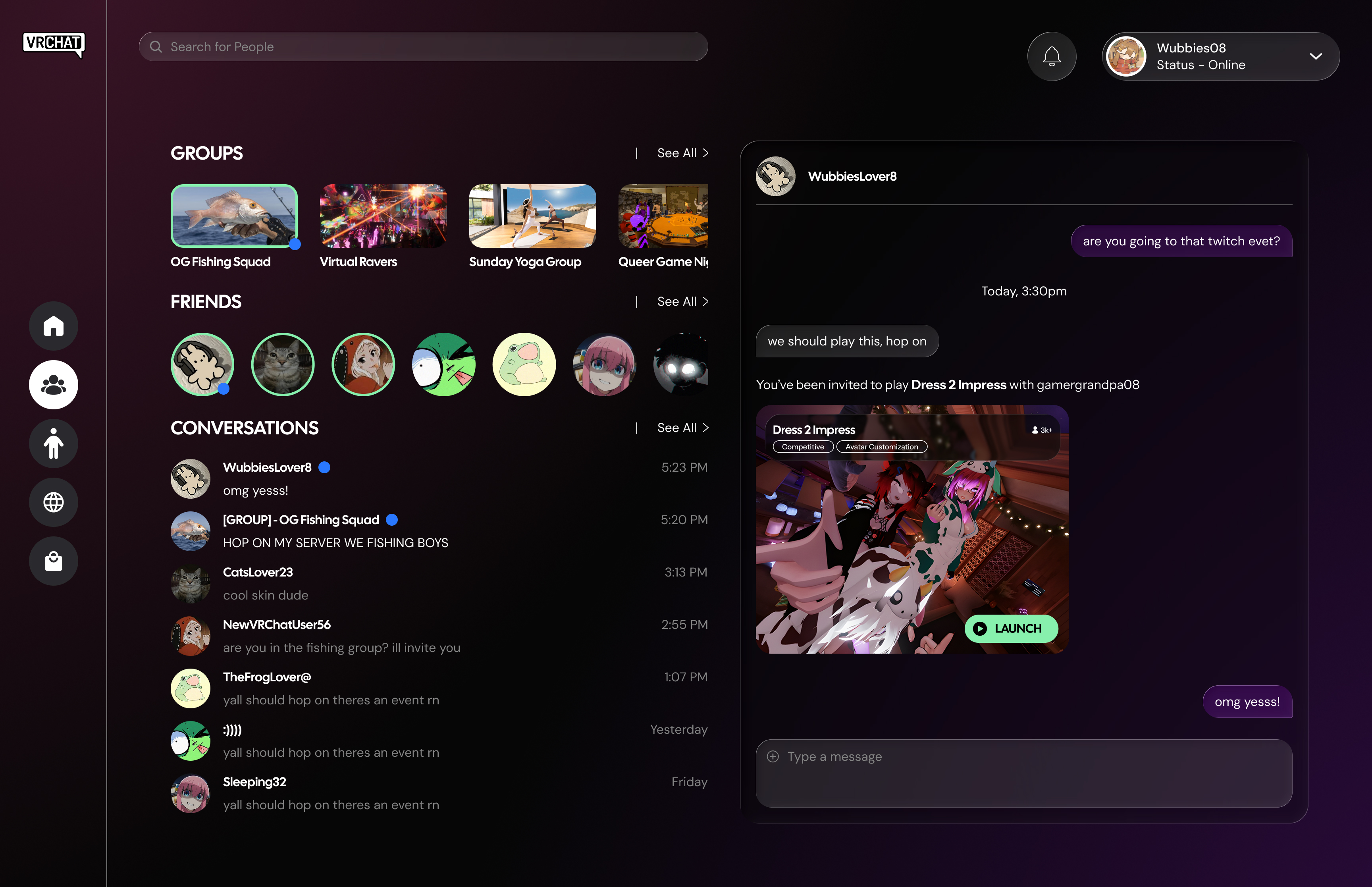
How does our design address the VRChat’s key issues?
-
1
Onboarding Friction — Inviting visuals with a step by step explanation of the platform, reducing new user confusion
-
2
Social Pressure — Text chat and group threads instead of voice-chats only, creating lower-pressure social interactions
-
3
Community Discovery — Groups, events, and friend activities upfront, with interest-based world tags encouraging discovery